
Appliances are essential to our daily lives, making household chores more manageable and efficient. However, encountering appliance issues is inevitable, and knowing how to troubleshoot and diagnose common problems can save you time, money, and frustration. Whether it's a malfunctioning refrigerator, a noisy dishwasher, or a dryer that won't heat up, understanding the basics of appliance repair can help you address issues promptly and effectively.
Identifying the Problem:
When faced with a malfunctioning appliance, the first step is to identify the issue. Start by observing the appliance's behavior – Is it making strange noises? Is it not turning on at all? Is it failing to complete its cycle? By paying attention to these details, you can narrow down the potential causes of the problem.
Troubleshooting Techniques:
Once you've identified the problem, it's time to troubleshoot. Refer to the appliance's user manual for troubleshooting tips specific to your make and model. Often, simple solutions like checking for power supply, cleaning filters, or resetting the appliance can resolve common issues. For more complex problems, you may need to consult a professional appliance repair service.
Diagnosing the Issue:
If troubleshooting doesn't solve the problem, a more in-depth diagnosis may be necessary. Some common appliance issues include faulty wiring, worn-out parts, clogged filters, or sensor malfunctions. By understanding how your appliance works and familiarizing yourself with its components, you can better pinpoint the root cause of the problem.
When to Seek Professional Help:
While DIY repairs can be cost-effective, some appliance issues are best left to the experts. If you're unsure about how to diagnose or repair a complex problem, it's safer to contact a qualified appliance repair technician. Attempting to fix advanced issues without the necessary expertise can result in further damage to the appliance or even pose a safety hazard. By being proactive in troubleshooting and diagnosing common appliance issues, you can extend the lifespan of your appliances and ensure they continue to operate efficiently. Remember, regular maintenance, timely repairs, and knowing when to seek professional help are key aspects of effective appliance repair
When it comes to appliance repair, many homeowners often feel intimidated by the thought of fixing their appliances themselves. However, with the right knowledge and tools, there are a variety of simple do-it-yourself (DIY) techniques you can try at home to save time and money on repairs.
Appliances are essential components of our daily lives, making household tasks more convenient and efficient. However, just like any other machine, appliances are prone to wear and tear over time. While some minor issues can be easily resolved through DIY methods, there are instances when it's crucial to seek professional help for appliance repair. Recognizing the signs that your appliance needs expert intervention can save you time, money, and prevent further damage. Here are some key indicators that it's time to call in the professionals:
1. Strange Noises:
If your appliance starts making unusual sounds such as grinding, squealing, or banging, it could signify internal mechanical issues that require professional assessment and repair.
2. Inconsistent Performance:
Notice a decline in your appliance's performance? Whether it's a refrigerator not cooling efficiently or a washer leaving clothes damp after a cycle, inconsistent performance is a red flag that something is amiss and needs expert attention.
3. Visible Damage:
Physical damage like cracks, dents, or exposed wires should not be ignored. These issues not only compromise the appliance's functionality but also pose safety hazards. Professional repair can address such damages effectively.
4. Frequent Breakdowns:
If you find yourself repeatedly dealing with the same appliance issues even after attempting DIY fixes, it's time to let experts step in. Continuous breakdowns indicate underlying problems that need thorough diagnosis and repair.
5. Unusual Odors:
Strange smells emanating from an appliance, especially burning or electrical odors, should never be ignored. These odors could indicate wiring issues, overheating components, or other potentially hazardous situations that require immediate professional attention.
6. Error Codes:
Modern appliances often display error codes when something is wrong. If your appliance shows error messages or codes on its display, it's best to consult a professional technician who can accurately interpret the codes and resolve the underlying problems.
7. Safety Concerns:
Above all, if you have any safety concerns about your appliance – such as overheating, sparks, or tripping electrical circuits – it's crucial to turn off the appliance immediately and seek expert help. Safety should always take precedence when dealing with appliance issues. Knowing when to call in the professionals for appliance repair can prolong the lifespan of your appliances, ensure your safety, and save you from costly replacements down the line. By being vigilant and proactive in addressing these signs, you can maintain a smoothly functioning household while entrusting complex repairs to skilled experts
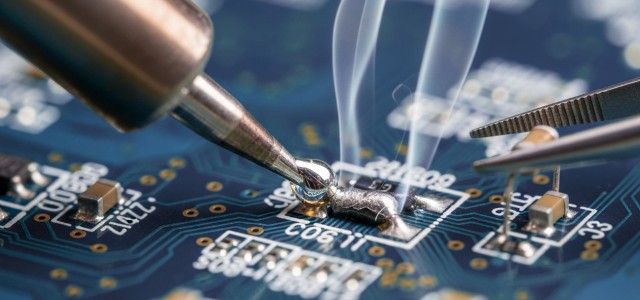
Appliance repair is a skill that requires the right tools to be successful. Whether you're a seasoned technician or just starting out in the field, having the essential tools for the job is crucial. These tools not only make your work easier but also help you provide efficient and effective repairs to your customers' appliances.
1. Screwdrivers:
A set of screwdrivers with various head types and sizes is a must-have for appliance repair technicians. They are essential for opening up appliances, removing parts, and conducting repairs. Make sure to have both flathead and Phillips-head screwdrivers in your toolkit.
2. Multimeter:
A multimeter is an invaluable tool for diagnosing electrical issues in appliances. It helps you measure voltage, resistance, and continuity, allowing you to pinpoint the source of problems accurately.
3. Pliers:
A good pair of pliers is essential for gripping, bending, and cutting wires during appliance repairs. Look for a set that includes needle-nose pliers, side-cutting pliers, and adjustable pliers to handle various tasks effectively.
4. Wire Strippers:
When dealing with electrical components, wire strippers come in handy for safely removing insulation from wires without damaging them. They ensure clean and precise cuts, making your repairs more professional.
5. Nut Drivers:
Nut drivers are used for tightening or loosening nuts and bolts in appliances. Having a set with different sizes will allow you to work on a wide range of appliances without struggling to find the right fit.
6. Voltage Tester:
To ensure safety when working with electrical components, a voltage tester is essential. It helps you determine if a circuit is live before handling any wires, protecting you from potential electric shocks.
7. Appliance Thermometer:
For diagnosing issues related to temperature regulation in appliances like refrigerators or ovens, an appliance thermometer is crucial. It allows you to measure and monitor temperatures accurately to identify malfunctions.
8. Flashlight:
Appliance repairs often involve working in dimly lit areas, so a reliable flashlight is essential for illuminating your workspace and identifying components inside appliances.
9. Safety Gear:
Last but not least, don't forget to invest in safety gear such as gloves, safety goggles, and a mask to protect yourself from potential hazards while repairing appliances. By equipping yourself with these essential tools, you'll be well-prepared to tackle a variety of appliance repair jobs with confidence and efficiency. Remember, having the right tools not only makes your job easier but also ensures that you deliver top-notch service to your customers
When it comes to ensuring your appliances have a long and efficient lifespan, performing regular preventative maintenance is key. By incorporating simple yet effective maintenance practices into your household routine, you can significantly reduce the likelihood of encountering appliance breakdowns and costly repairs. Here are some essential tips and tricks to help you extend the lifespan of your appliances:
1. Clean Regularly:
One of the easiest ways to maintain your appliances is by keeping them clean. Regularly wipe down surfaces, remove food particles from ovens and microwaves, and clean out any lint traps in dryers. For appliances with filters, such as dishwashers and refrigerators, make sure to clean or replace the filters as recommended by the manufacturer.
2. Check for Leaks:
Periodically inspect your appliances for any signs of leaks or water damage. This is particularly important for appliances like dishwashers, washing machines, and refrigerators. Addressing leaks promptly can prevent further damage and extend the lifespan of the appliance.
3. Monitor Temperature Settings:
Ensure that your refrigerator, freezer, oven, and other temperature-regulated appliances are set to the recommended settings. This not only helps maintain the efficiency of the appliance but also prevents excessive wear and tear.
4. Run Maintenance Cycles:
Many modern appliances come with self-cleaning or maintenance cycles. Utilize these features as recommended to keep your appliances in good working condition. For example, running a cleaning cycle in your dishwasher can help prevent clogs and maintain optimal performance.
5. Address Issues Promptly:
If you notice any unusual noises, odors, or performance issues with your appliances, don't ignore them. Addressing problems early on can prevent them from escalating into major repairs. Whether it's a strange noise coming from your dryer or a leaking dishwasher, taking action promptly can save you time and money in the long run.
6. Schedule Professional Inspections:
While DIY maintenance is important, it's also beneficial to have your appliances inspected by a professional technician periodically. A qualified technician can identify potential issues that may not be apparent to the untrained eye and perform preventative maintenance to keep your appliances running smoothly. By incorporating these preventative maintenance tips into your routine, you can extend the lifespan of your appliances, reduce the need for repairs, and ensure that your household runs efficiently for years to come. Remember, a little bit of maintenance goes a long way in preserving the functionality and durability of your valuable appliances